In packaging, accuracy matters. Digital proofs rarely match final print output, especially when it comes to color, texture, and material. Yet most packaging teams still rely on digital proofs that look nothing like the final printed piece. A design approved on a bright monitor or glossy proofing paper can change dramatically once it hits real materials like SBS board, PET film, or corrugated liners. That disconnect is where delays, confusion, and expensive do-overs usually begin.
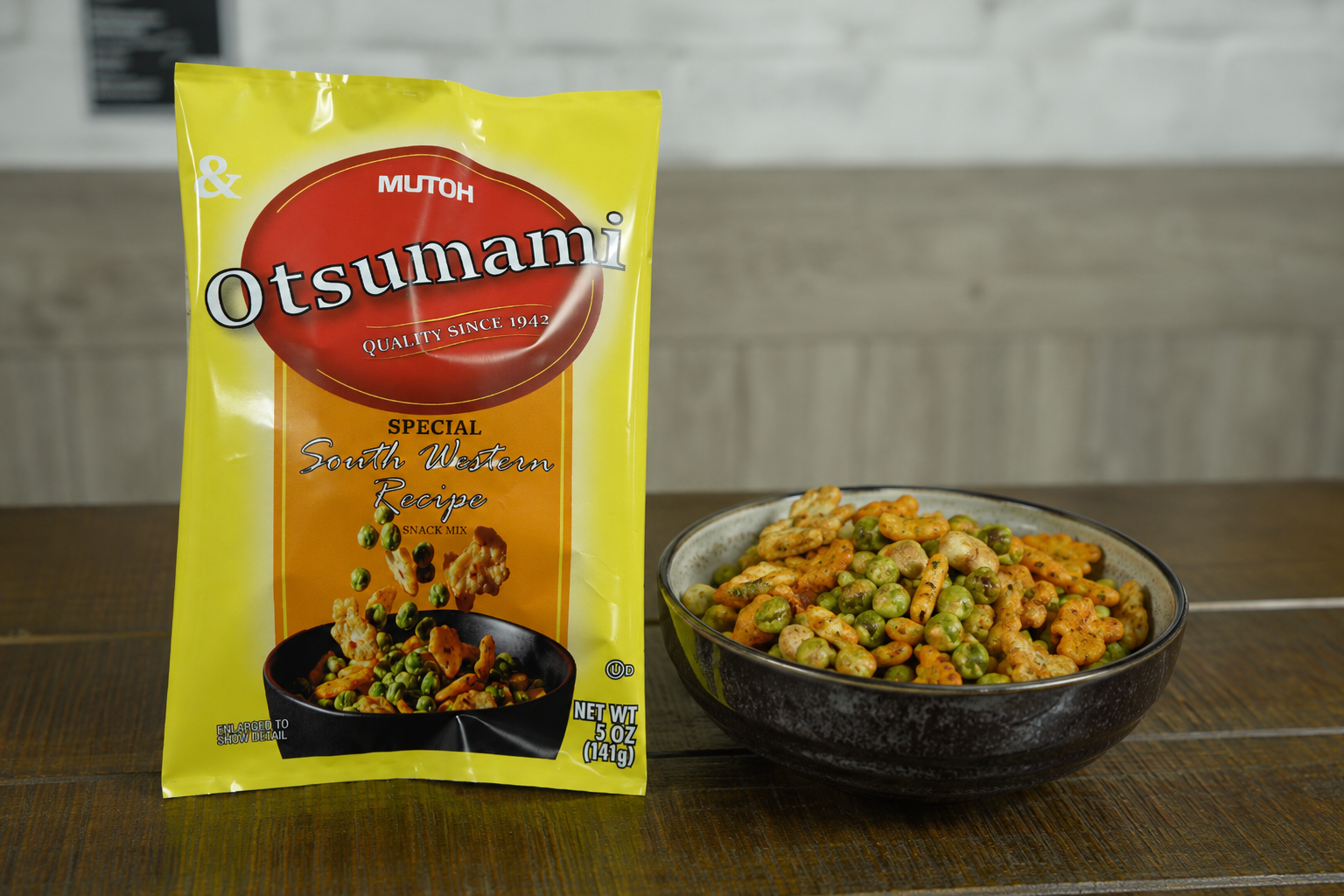
MUTOH’s approach is different. Instead of simulating packaging, our print technology allows teams to create prototypes directly on the same materials used in production. That means no surprises at press time, just true-to-life color, accurate material behavior, and mockups that actually represent what a brand will launch.
Why Digital Proofs Miss the Mark
Digital proofs have their place, but they can only take you so far. A monitor can show color, but it can’t recreate how ink settles into uncoated board. A proof on smooth paper doesn’t tell you how graphics will absorb into a kraft liner or what a pouch looks like once it’s actually formed.
These limitations show up in a few major ways:
Color shifts: A design that looks vibrant on a screen may dull when printed on natural or textured materials. Teams don’t always catch these changes until they’re on press, when adjustments are costly.
Missing material context: Packaging is physical. It bends, folds, creases, stretches, and crinkles. None of that comes through in a digital proof.
Slow revision cycles: When the first “real” sample isn’t produced until late in the process, teams often discover problems they could have caught sooner. That’s where schedules get pushed, and budgets get squeezed.
Prototyping on real substrates solves these issues right away, before production time and money are on the line.
Why Real-Material Prototyping Matters
A physical prototype printed on the actual packaging material gives stakeholders something digital proofs never can: clarity. There’s no guessing how a package will look in a store display or how a finish will interact with the lighting. Everyone, from designers to buyers to executives, can evaluate the piece exactly as it will appear in the real world.
It also opens the door to faster decision-making. Instead of waiting days or weeks for outsourced samples, packaging teams can try new ideas the same day. Want to compare a matte film to a satin one? Print both. Want to test a corrugated liner before committing to a run? Print it now. When prototyping is internal and immediate, creative exploration becomes part of the workflow instead of a bottleneck.
The quality of the prototype, however, depends heavily on the ink, and that’s where MUTOH’s technology makes the difference.
Ink Technology That Mirrors Real Production
Ink plays a bigger role in packaging realism than most teams realize. MUTOH’s ink systems are designed to behave the way production inks behave on real substrates, which is essential for believable prototypes.
MP31 Multi-Purpose Ink
MP31 bonds with the substrate instead of sitting on top of it. This gives prototypes the same natural look you’d expect from offset, flexo, or gravure processes widely used for pouches, sachets, and cartons. Flexible films stay flexible, paperboard absorbs highlights naturally, and colors look the way they should.
For teams working with flexible packaging or folding cartons, MP31 provides a level of realism that digital proofs simply can’t match.
UV Ink Systems
UV inks cure instantly and stay on the surface of the material. That makes them perfect for adding dimension and finishing effects like spot gloss, matte/gloss contrast, raised textures, or embossed-style details.
These are the features that elevate luxury packaging, special editions, gift sets, and premium labels. With UV, teams can show stakeholders how these embellishments look and feel without outsourcing a specialty finishing job.
Combined, MP31 and UV inks give teams the ability to replicate both everyday packaging and high-end specialty applications all in-house, and all on the exact material they’ll use in production.
A Closer Look at MUTOH’s Packaging Printers
MUTOH’s packaging lineup isn’t a single solution, it’s an ecosystem. Each printer serves a different purpose, and together they cover almost every packaging application.
ValueJet 628MP: Flexible Packaging Starts Here
The 628MP is the go-to system for PET and OPP films, shrink material, and most flexible packaging substrates. Its MP31 ink makes colors behave like they do in production, which is essential for brands working in food, beverage, beauty, or household goods. This printer is often the first step for pouch and film mockups because it gives teams a quick, accurate read on how ink interacts with film.
ValueJet 1628MH: Realism for Cartons, Chipboard & Corrugated
For rigid packaging, the 1628MH picks up where the 628MP leaves off. Its ability to print on thick boards and rigid substrates makes it ideal for folding cartons, corrugated pieces, inserts, and larger display components. When a team needs to evaluate structure and print together, folds, creases, color, and stiffness, the 1628MH provides the most production-like experience.
ValueJet 1638UH Mark II: Add Texture, Shine, and Specialty Effects
Once the core prototype is printed, the 1638UH brings it to life. This UV printer is designed for premium effects, spot gloss, tactile textures, raised ink, and fine detail. It’s particularly valuable for luxury brands, seasonal packaging, or any project where surface finish is part of the selling point.
The 1638UH can work as a standalone embellishment tool or as a finishing layer after printing on another MUTOH system.
XpertJet 461UF & 661UF: Small-Format Finishing & Specialty Work
These compact UV flatbeds handle the small pieces: labels, inserts, box lids, promotional packaging, and short-run custom variations. Because they’re so precise, teams often use them to test finishing details or to build multi-piece packaging kits that need to look cohesive.
Together, these printers give packaging teams a complete prototyping workflow, from flexible film to rigid cartons, and from structure to specialty finishing.
The Operational Payoff
Bringing prototyping in-house changes how packaging teams work on a day-to-day basis. Instead of waiting for a vendor or taking educated guesses based on digital proofs, teams can print, adjust, and refine designs immediately. This level of agility not only saves time, it improves the quality of decision-making. More importantly, it gives brands the confidence that what they see during development truly represents what will be produced.
Ready to Elevate Your Prototypes?
MUTOH gives packaging teams the tools to produce prototypes that look and feel like the real thing, from ink behavior to substrate performance to finishing detail. Whether you’re working with pouches, cartons, corrugated displays, or premium rigid boxes, MUTOH systems bring clarity and accuracy to the entire process.
If you'd like to explore these packaging possibilities, you can request a sample or connect with a MUTOH Dealer to see how the technology fits into your workflow.