Every package starts as an idea, and every idea eventually has to become something a client can hold. That handoff moment is where packaging mockup either builds confidence or slows the project down. For decades, the only way to see a design on real material was to run it on a press: plates, setup, minimum quantities. Today, digital printing lets you produce a mockup on the actual substrate, with production-accurate color, in a fraction of the time. Here's how the two approaches compare, and when each one makes sense.
What a Press Run Really Costs You at the Mockup Stage
Presses are built for volume. That's their strength, and exactly why they're the wrong tool for a one-off sample. Producing a single mockup on press means paying for plate creation, press setup, and waste before a single sellable sheet exists. Additionally, scheduling can cause delays: your prototype waits in line behind paying production jobs, which can push a simple approval sample out by days or weeks.
And when the client asks for a revision, a color change, a new dieline, a logo adjustment, the entire process begins again. In product packaging projects with multiple design iterations, costs and delays can accumulate rapidly. The press becomes cost-effective at around 10,000 units, but at a single unit, it can be counterproductive.
Why Mockup Workarounds Lead to Production Issues?
To cut press costs, many teams opt for workarounds like laminating inkjet proofs onto board or showing flat renders on screens. These methods often undervalue the design. Adhesive layers can alter a box's foldability and tactile feel, screen colors also rarely match ink on board and when a client approves a sample that doesn't represent the final product, unexpected production issues can occur, and surprises at production are the most expensive kind.
Digital Packaging Prototyping: Real Substrates, Real Color
This is where digital changes the math. Modern wide format printers can print directly onto the same materials your final custom packaging will use, folding carton, corrugated board, rigid stock, films, and specialty media. No lamination layer, no substitute material. The sample folds, creases, and reflects light exactly like the finished piece will.
|
Feature |
Digital Mockup Printing (ValueJet 628MP / 1628MH) |
Traditional Press |
|
Setup cost |
Low, no plates or makeready. |
High, plates, setup, and makeready waste before the first sheet. |
|
Turnaround |
Same day, printed in-house. |
Days to weeks, scheduled around production jobs. |
|
Run size |
Ideal for one-offs and small batches. |
Ideal for massive quantities. |
|
Color matching |
MP31 ink accurately reproduces brand colors on the mockup, ensuring the approved sample matches the production target. |
True Pantone matching the production standard. |
|
Materials |
Prints directly on the same substrates as the final piece, no substitute media or lamination. |
Excellent, but every substrate change adds setup time |
|
Revisions |
Reprint in minutes. |
Full setup cycle repeats. |
Color That Matches Production
Color accuracy is one of the most important jobs a physical mockup has to do. Getting there takes two things working together: accurate RIP-based color management and ink technology built for a wide gamut. With both in place, a digital prototype can match the final production targets, ensuring the blue the client approves on Tuesday is the same blue that arrives in the container. That's the difference between a mockup that decorates a meeting and one that de-risks a launch.
Same-Day Packaging Mockup Revisions
Because there are no plates and no makeready, revisions cost minutes instead of budget line items. Print version one in the morning, review it, adjust, and hand over version three by end of day. For agencies and brands running custom packaging for small business clients where budgets are tight and approval cycles move fast, that speed is often the deciding factor in winning the work.
Printers Built for Multi-Substrate Mockup Work
Not every printer handles the range of materials packaging demands. When choosing an inkjet printer for packaging mockups, both ink technology and the hardware itself matters. Two machines from MUTOH stand out for prototype work, not because they're limited to mockups (they handle a wide range of applications), but because that combination of versatile ink technology and hardware designed for mixed media makes them a natural fit.
ValueJet 628MP: The Compact Prototyping Desk
The ValueJet 628MP is a 24-inch printer with an expanded color gamut supporting up to 8 colors, including light inks or spot-color inks such as orange, blue, and green, giving smoother gradation, improved gray balance, and color adjustment for demanding proofs.
Running MP31 multi-purpose ink, it prints on coated and uncoated papers, films, and packaging boards, and extends to metalized film and shrink wrap proofing. The ink stays flexible and won't crack even when bent or vacuum-formed. Its compact footprint means even a small studio or shop can bring packaging mockup production in-house, with no dedicated production space required.
ValueJet 1628MH: Wider Media, Thicker Boards
Need larger formats or heavier stock? The ValueJet 1628MH brings MP31 multi-purpose ink to a 64-inch hybrid platform that handles both roll media and rigid boards, full-size corrugated panels, display prototypes, and large product packaging samples printed on the real material.
Available in CMYKx2 or CMYKWhWh configurations, its enhanced print quality delivers true-to-life skin tones and smooth gradations, while MP31 adhesion and color properties bind to the substrate surface for a natural, vibrant finish.
Taking Mockups Further With Embellishment
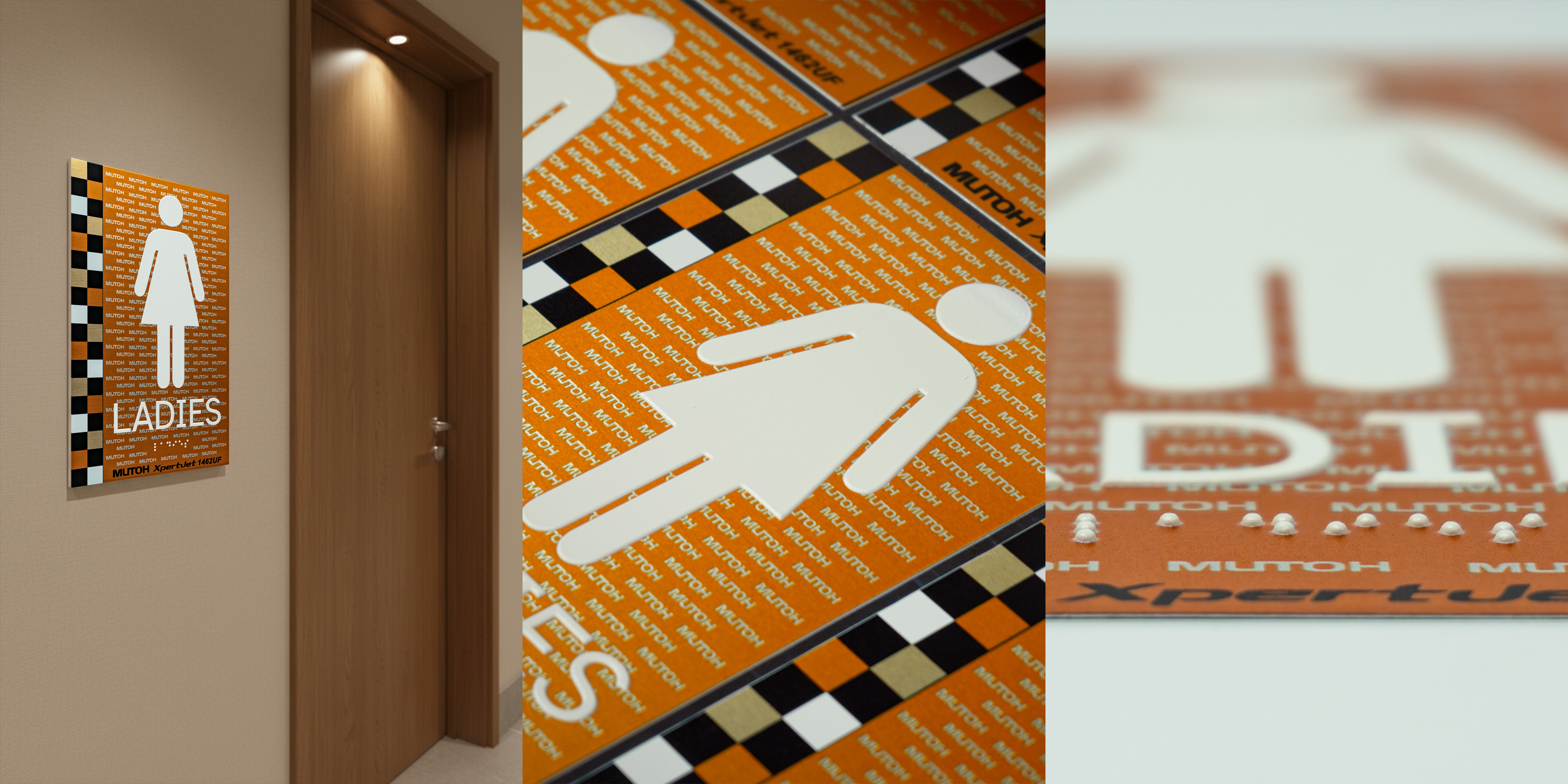
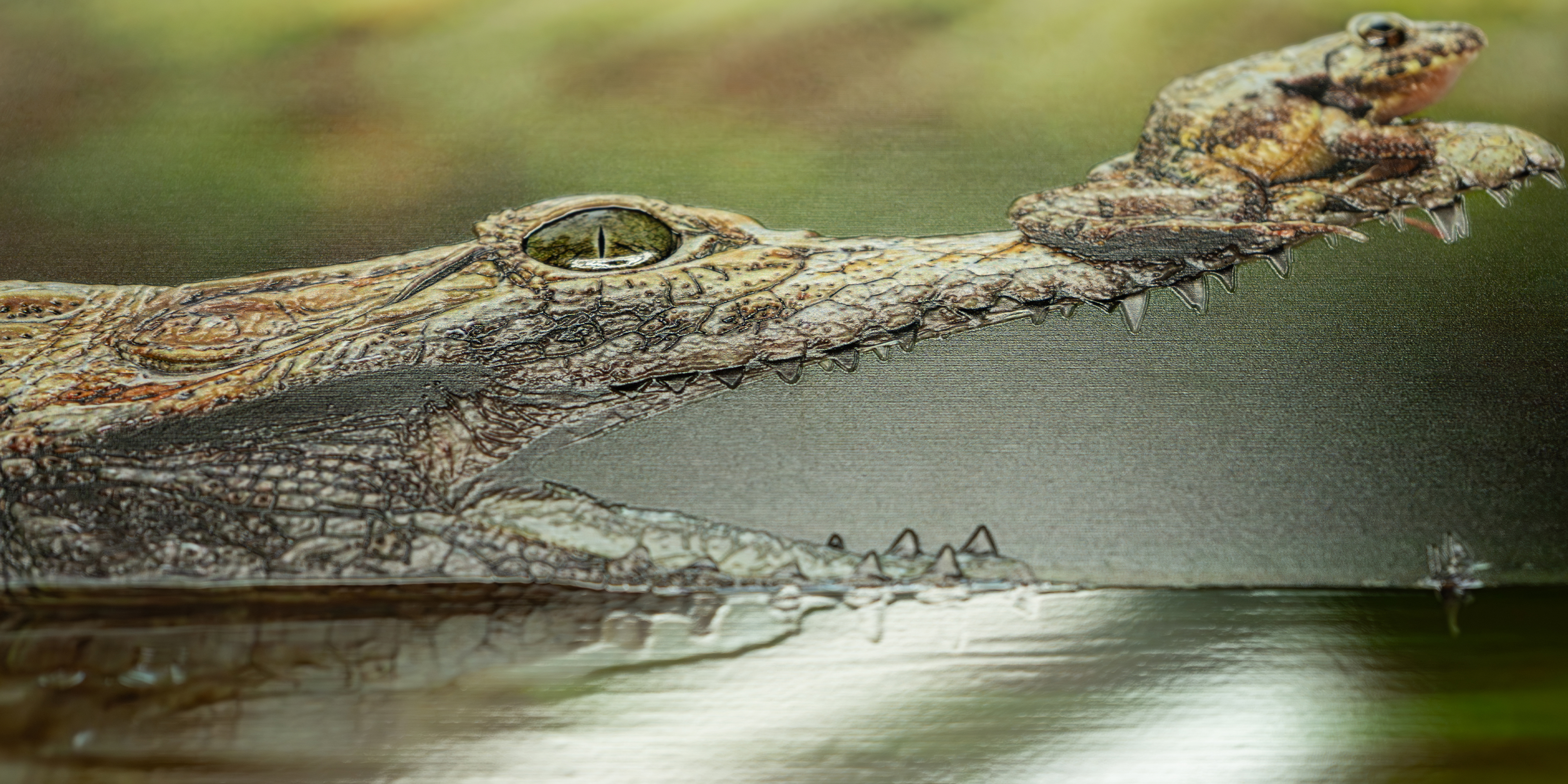
Some packaging sells with texture: spot gloss over a logo, raised varnish on a pattern, dimensional accents on a luxury box. UV printing adds those effects digitally, no foil dies or coating plates required.
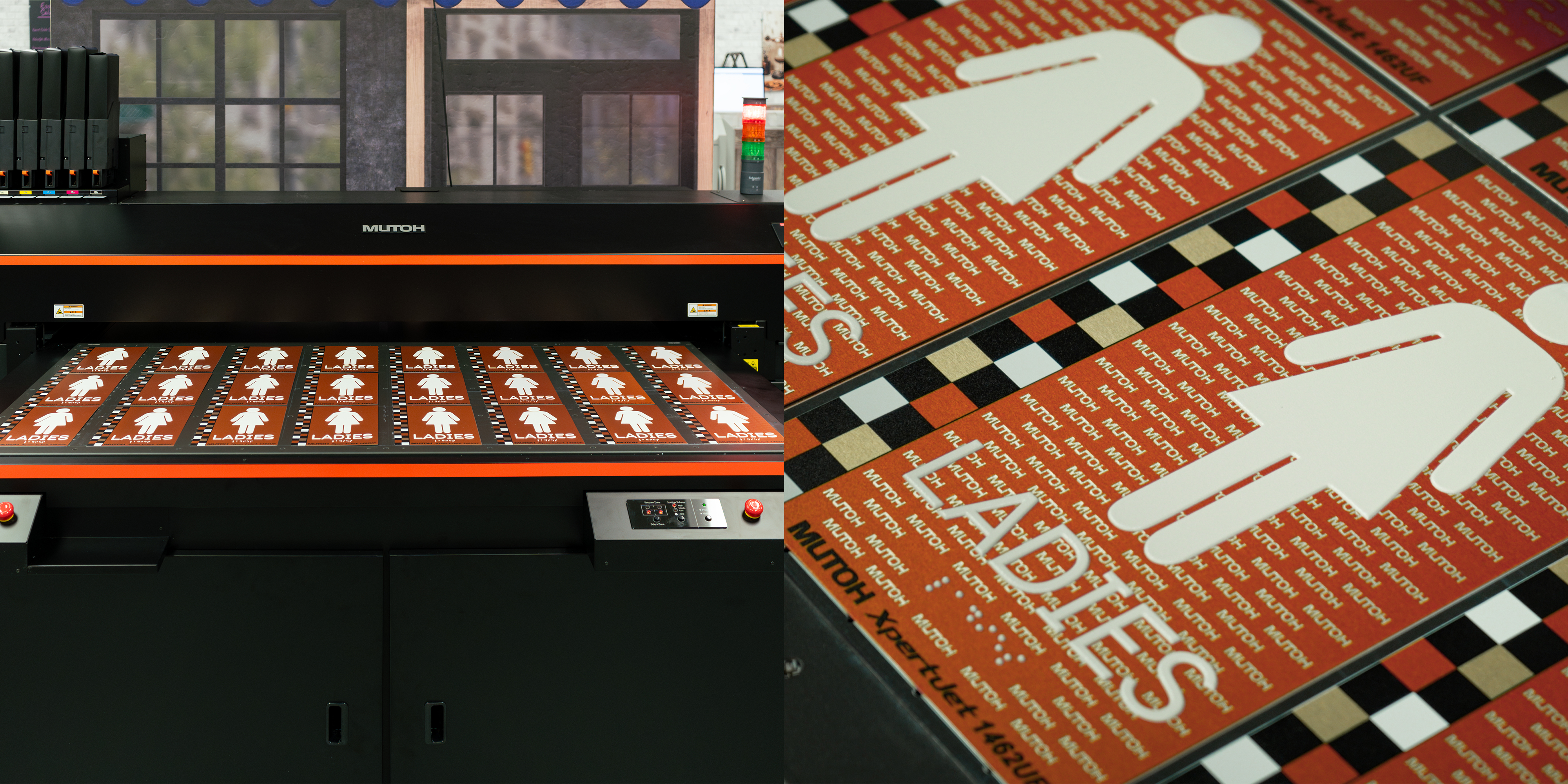
The XpertJet 1462UF and the ValueJet 1638UH Mark II flatbed prints directly onto rigid packaging blanks and adds varnish effects for gloss and tactile embellishment, ideal for rigid setup boxes and premium custom packaging samples.
Get a Free Printed Sample
When it's time to run thousands of units, the press earns its place. But the packaging mockup stage belongs on digital: real substrates, accurate color, same-day revisions, and no plates standing between an idea and a physical sample. Teams that make the switch don't just save money on mockups, they close approvals faster and catch problems while they're still cheap to fix.
The best way to judge print quality is to hold it in your hands. Request a printed sample on your own material, or find your nearest MUTOH dealer to see a demo in person.